
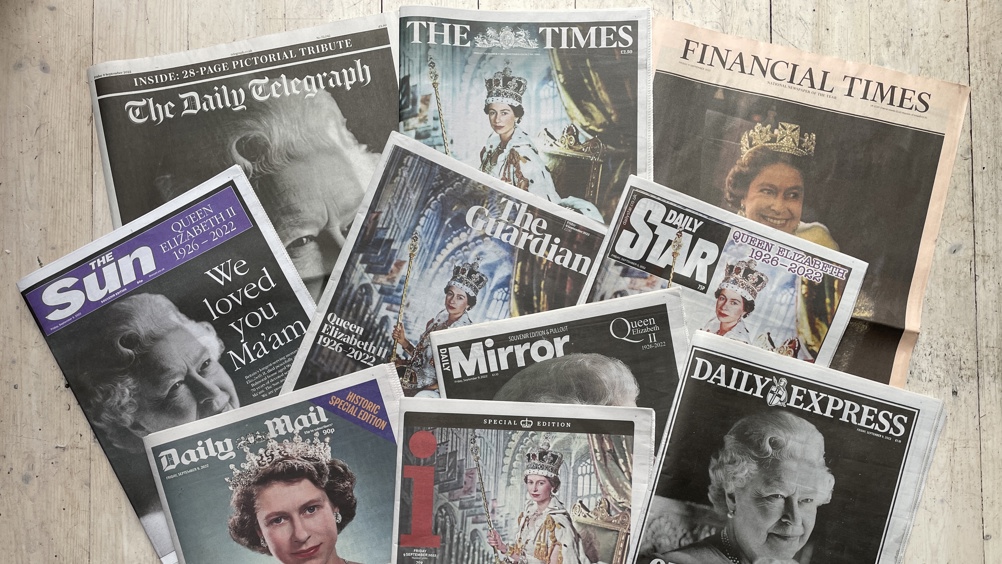
Creating high-quality print content requires more than just a good story. It demands precise guidance for every word. This guide offers a step-by-step approach to crafting effective prompts specifically tailored for newspapers and magazines. By clearly defining objectives, outlining structure, and setting the right tone, you’ll learn how to instruct AI to generate engaging, accurate, and well-organized articles that resonate with your audience.
Step 1: Define the Objective and Audience
Before writing your prompt, decide what type of print content you need. For a newspaper article, your goal is usually to report facts in a clear, objective manner. For a magazine feature, you might aim for a more narrative or analytical approach.
Example:
“For a daily newspaper, create a 400‑word report on recent local government decisions regarding public transport, using an objective tone. For a lifestyle magazine, craft a 600‑word feature article on emerging urban trends with a creative, conversational style.”
Step 2: Outline the Structure
Print media follows specific structures. In newspapers, the article typically includes a headline, lead paragraph (the “lede”), body, and conclusion. Magazines may have subheadings, sidebars, and a more flexible layout. Your prompt should indicate the desired structure.
Example Prompt:
“Write a news article with the following structure:
Headline: Catchy, factual headline.
Lead: A 3‑sentence summary of the main points.
Body: Detailed reporting with quotes and statistics.
Conclusion: A short closing that reiterates the news impact.”
Step 3: Specify Tone and Style
The tone should match the publication type. Newspapers require a neutral, formal tone, while magazines can adopt a more relaxed, vivid, or narrative tone. Clarify this in your prompt so the AI understands the style needed.
Example:
“Use an objective tone with formal language for the news article. For the magazine piece, write in a friendly and engaging style that speaks directly to young urban professionals.”
Step 4: Include Relevant Context and Details
Provide necessary background information and key details that should be incorporated. This might include location, names of stakeholders, relevant dates, or recent events. The more context you include, the more precise the output.
Example Prompt:
“Cover the recent decision by the Delhi government to introduce new metro lines. Include details such as the proposed budget, key politicians involved, expected benefits for commuters, and expert opinions. Mention that the decision follows growing urban congestion.”
Step 5: Write a Clear and Specific Instruction
Combine all elements into a single, cohesive prompt that instructs the AI on what to generate. Be concise and direct.
Example:
“Write a 400‑word newspaper article on the Delhi government’s new public transport initiative. Start with a factual headline, followed by a 3‑sentence lead summarizing the decision and its implications. In the body, include details on budget, key figures, and expert opinions, and finish with a conclusion highlighting the potential impact on commuters. Maintain an objective and formal tone throughout.”
Step 6: Review and Refine
After generating the content, review the output. Check if the structure is maintained, if all key details are present, and if the tone aligns with the intended audience. Tweak your prompt by adding or removing details until the output meets your standards.
Tip: Test your prompt with an AI writing tool and compare the outputs. Iteration is key!